

In today's digital age, online safety has become more crucial than ever. With the increasing prevalence of cyber threats and data breaches, it's essential to take proactive steps to protect your personal information. One of the most effective ways to enhance your online security is by using a Virtual Private Network, or VPN. However, simply having a VPN installed is not enough; optimizing its settings is key to ensuring maximum protection across all your devices.
Many people are unaware that each device they use requires specific VPN security settings to fortify their online identity. Whether you're browsing on a smartphone, tablet, or computer, the right configurations can significantly improve your digital privacy and security. In this article, we will explore seven essential VPN security settings you should turn on for better protection. Additionally, we'll discuss how a single affordable VPN subscription can safeguard every personal device you own, making it easier than ever to stay secure while online. Let’s dive into the crucial settings that will elevate your online safety to new heights.
Understanding VPN Security
Virtual Private Networks, or VPNs, play a crucial role in enhancing online security and privacy by creating a secure tunnel for your internet traffic. This technology encrypts your data, making it unreadable to anyone who might intercept it, such as hackers or government agencies. By masking your IP address, a VPN also helps protect your identity and location while browsing the internet, providing a significant layer of anonymity.
Using a VPN is particularly important in today's digital landscape, where threats to personal information abound. With increasing frequency, cybercriminals target public Wi-Fi networks, exploiting vulnerabilities to access sensitive data. A reliable VPN not only secures your connection on these networks but also ensures safe browsing even when you are far from home, protecting you from potential data breaches.
Furthermore, understanding the security settings of your VPN is essential for maximizing its effectiveness. Different devices come with unique requirements and challenges, making it imperative to adjust settings appropriately. By configuring essential VPN security settings, you can enhance your protection across various personal devices, ensuring that every aspect of your online presence is safeguarded under one subscription .
Why VPN Settings Matter
Understanding the importance of VPN settings is crucial for anyone looking to enhance their online privacy and security. A Virtual Private Network helps protect your data from prying eyes by encrypting your internet connection. However, simply having a VPN is not enough; the right settings are essential to ensuring maximum protection. Optimizing these settings can mitigate risks associated with data leaks, potential exposure on unsecured networks, and threats posed by hackers.
When using public WiFi, for example, your personal information is at greater risk. Enabling specific VPN settings can safeguard your sensitive data, such as passwords and financial information, from being intercepted. 7 Essential VPN Security Settings to Turn On like activating a kill switch or ensuring the use of strong encryption protocols can create a protective barrier against potential breaches. This level of security is increasingly important as cyber threats continue to evolve.
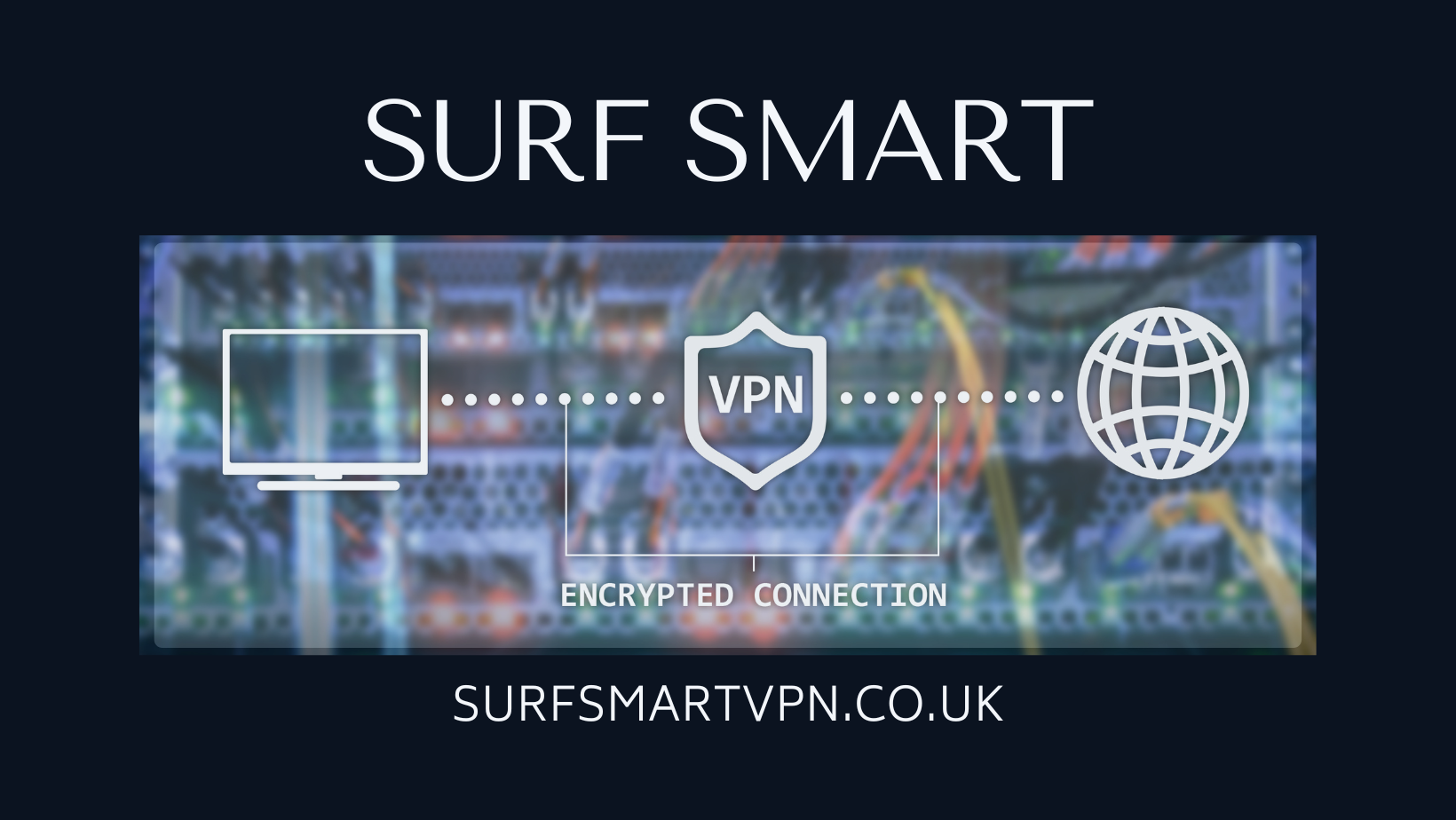
Moreover, with the rise of multi-device usage, it becomes even more vital to manage VPN settings across all your devices. One VPN subscription can secure your phones, tablets, and computers, creating a uniform layer of protection. By familiarizing yourself with the essential VPN security settings, you not only improve your online safety but also ensure that each personal device remains secure, regardless of where or how you're accessing the internet.
Essential Security Settings
When using a VPN, enabling specific security settings is crucial for ensuring your online safety. One of the first settings to adjust is the kill switch, which acts as a safeguard against accidental disconnections. When the VPN connection drops, the kill switch immediately blocks all internet traffic, preventing any exposure of your data. This feature is essential in maintaining your privacy and ensuring that sensitive information is never transmitted without encryption.
Another vital setting to consider is the protocol selection. Different VPN protocols offer varying levels of security and speed. Opt for more secure protocols like OpenVPN or WireGuard to enhance your protection. While these may be slightly slower than others, the balance of speed and security is worth it, especially when accessing sensitive information over public WiFi or unsecured networks.
Lastly, enabling split tunneling can optimize your online experience while still maintaining security. This setting allows you to choose which apps or websites use the VPN connection and which do not. By using split tunneling, you can ensure that sensitive transactions feel faster while protecting other online activities. This flexibility allows you to customize your VPN usage according to your needs on every personal device, all under one subscription.
Setting Up Your VPN on Different Devices
Setting up your VPN is essential for protecting your online activities, and the process can vary slightly depending on the device you are using. Whether you are on a computer, tablet, or smartphone, the first step is to select a reliable VPN service that supports multiple devices. Most reputable VPN providers allow you to install their application on various platforms, giving you seamless protection wherever you go. Once you subscribe, download the appropriate app for your device from the official website or app store.
After installing the VPN application, open it and log in with your account credentials. It is important to configure the essential VPN security settings during the setup process. Make sure to enable features such as the kill switch, DNS leak protection, and automatic connection to public WiFi networks. These settings help ensure that your data remains secure even if your VPN connection drops unexpectedly or if you find yourself on unsecured networks.
Finally, after customizing your settings, test the VPN connection to ensure it is working correctly across all your devices. You can check your IP address to confirm that it has changed to the VPN's location. It is also wise to periodically revisit your settings and update them as needed, especially when using new devices or after software updates, to maintain optimal privacy and security throughout your online experience.
Configuring Kill Switch Features
A kill switch is a vital feature in any VPN that ensures your data remains protected even if your VPN connection unexpectedly drops. When activated, this feature automatically blocks internet traffic until a secure connection is re-established. By configuring the kill switch, you can prevent sensitive information from being exposed to your internet service provider or potential hackers. This is especially important when using public WiFi, where connections can be erratic.
To enable the kill switch on your devices, navigate to the VPN application's settings. Most modern VPN services provide clear options for activating the kill switch. Ensure it is turned on for each device you use, whether it's a smartphone, tablet, or computer. Some VPNs offer different modes, such as application kill switch, where only specific applications will be blocked from internet access when the VPN connection fails. Choose the mode that best suits your online activities.
Regularly test the functionality of the kill switch to confirm it operates correctly. You can do this by intentionally disconnecting your VPN and checking whether your internet connection is blocked. This proactive step ensures that your online activities remain secure, giving you peace of mind that your privacy is preserved across all your devices with just one VPN subscription.
Enabling Split Tunneling
Split tunneling is a vital feature that allows you to choose which applications or websites use the VPN connection while others access the internet directly. This means you can securely browse sensitive websites with the added protection of a VPN while still accessing local services without any hindrance. This flexibility is especially important for those who rely on specific applications that may be sensitive to latency or require local network access.
When you enable split tunneling, you enhance your online safety without sacrificing performance. For instance, if you're using your VPN for work-related tasks, you might want those applications to go through the encrypted tunnel. At the same time, you can keep your streaming apps running directly through your regular internet connection, which can often improve load times and reduce buffering. This balanced approach means you can maintain optimal functionality on all your devices.
To set up split tunneling on your VPN, look for the option in the settings menu. Depending on your VPN provider, you may be able to select applications or even specific websites to bypass the VPN. Make sure to review which traffic you want secured versus unsecured, ensuring that your essential data remains protected with your VPN subscription while enjoying seamless connectivity for other online activities.
Choosing the Right Encryption Protocol
When selecting a VPN, one of the most crucial factors to consider is the encryption protocol it uses. Different protocols offer varied balances between speed and security, which can significantly impact your online experience. Some popular protocols include OpenVPN, IKEv2, and WireGuard. OpenVPN is widely regarded for its robust security features, while IKEv2 excels in offering stability and fast reconnections. WireGuard, a newer option, promises high speeds and secure connections with a streamlined codebase.
It is essential to choose a protocol that aligns with your specific needs. If you often connect to public Wi-Fi networks, prioritize protocols like OpenVPN or IKEv2, which provide better protection against potential threats. Meanwhile, if speed is paramount for activities like streaming or gaming, WireGuard may be the best choice due to its efficient performance. Always ensure that the protocol you select supports strong encryption methods, such as AES-256, to guarantee your data remains safe and private.
Lastly, remember that using a single VPN subscription allows you to secure all your personal devices with your chosen protocol, making it easy to maintain consistent security practices across smartphones, tablets, and computers. Regularly check your VPN settings to confirm that you are using the most secure and efficient encryption protocol available to you. This practice not only enhances your online protection but also ensures a seamless browsing experience at all times.
Maximizing Your Subscription Benefits
To truly get the most out of your VPN subscription, it is vital to understand the full array of features available for your devices. Many VPN services offer cross-platform compatibility, so you can secure your smartphones, tablets, and computers all with a single subscription. This not only simplifies your online security management but also ensures that all your personal devices benefit from the same high level of protection. Utilizing the same VPN across all devices maximizes your security and streamlines the management of settings.
One of the key benefits of a unified VPN subscription is the ability to customize settings on each device to suit specific needs. For instance, while you might prioritize speed for streaming on your smart TV, you may want heightened security settings for your phone when accessing public WiFi. This flexibility allows you to tailor your VPN experience based on your activities, ensuring that you maintain optimal online safety without sacrificing performance.
Finally, taking advantage of your VPN provider’s customer support can significantly enhance your overall experience. Many providers offer extensive resources, including tutorials and guides for configuring essential VPN security settings across devices. Engaging with customer support can provide additional insights and help you address any concerns faster, further ensuring that you get the maximum benefit from your subscription while maintaining robust online security.