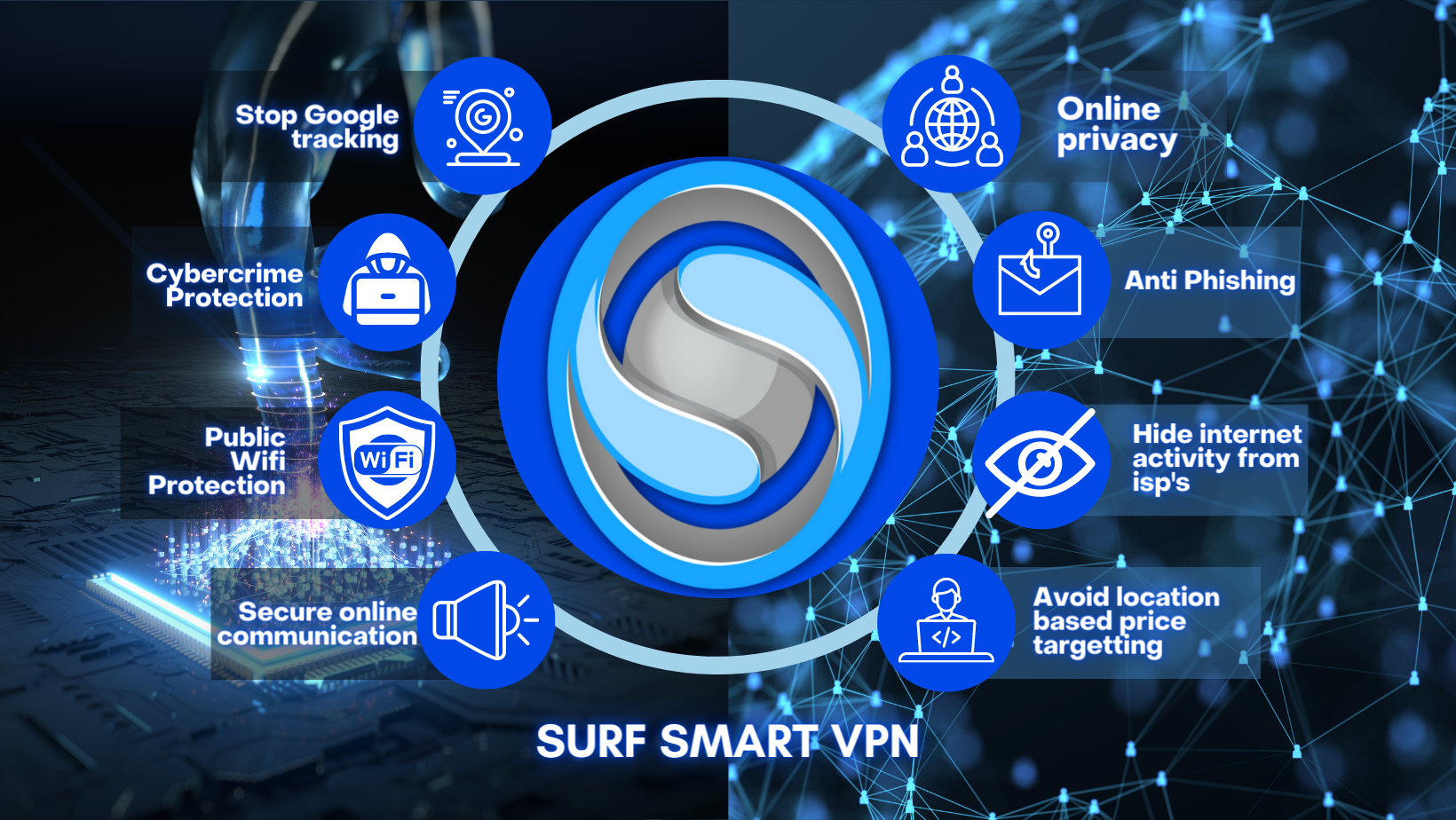
In an age where online privacy is paramount, ensuring the security of your internet connection has never been more critical. With cyber threats lurking around every corner and personal data being a prime target for hackers, utilizing a VPN is one of the most effective steps you can take to protect your information. However, merely having a VPN subscription is not enough; you must also configure the right security settings to maximize your protection across all your devices.
This guide will walk you through seven essential VPN security settings that you should turn on to enhance your privacy and safeguard your online activities. From securing your connection on public WiFi to utilizing strong encryption methods, these settings will help you create a robust defense against data breaches and unauthorized access. With just one subscription, you can secure every personal device you own and enjoy peace of mind while browsing the internet. Let’s explore how you can configure these vital privacy features today.
Understanding VPN Security
A Virtual Private Network, or VPN, is a crucial tool for enhancing your online privacy. By establishing a secure connection to the internet, a VPN encrypts your data and masks your IP address, making it significantly harder for third parties to track your online activities. This is particularly important when using public WiFi networks, which are often susceptible to hackers eager to intercept sensitive information.
However, not all VPNs provide the same level of security. Understanding the essential VPN security settings is vital for maximizing your privacy. Features such as strong encryption protocols, kill switch functionality, and DNS leak protection are integral to ensuring that your data remains safe and your online identity obscured. By taking the time to configure these settings, you can greatly enhance your online security and navigate the internet with confidence.
With one VPN subscription, you can protect every personal device you own. This convenience not only saves you money but also simplifies the process of maintaining your online security across various platforms. Whether you're browsing on your smartphone, tablet, or desktop, knowing how to enable the essential VPN security settings on each device is key to safeguarding your personal information.
Encryption Protocols
When securing your data online, the choice of encryption protocol used by your VPN is crucial. Different protocols offer varying levels of security and speed, impacting your overall online privacy experience. The most common protocols you should consider include OpenVPN, IKEv2/IPSec, and WireGuard. OpenVPN is widely regarded as one of the most secure options available, while IKEv2/IPSec is known for its excellent speed and stability, especially on mobile devices. WireGuard is an emerging protocol that promises high performance and robustness with a simpler codebase.
Ensure that your VPN provider allows you to select or switch between different protocols. This flexibility enables you to optimize your connection based on your needs, whether you prioritize speed for streaming or maximum security for sensitive transactions. Additionally, look for VPNs that regularly update their protocols to prevent potential vulnerabilities.
It is important to note that some protocols may be blocked by certain networks, especially in countries with strict internet censorship. In such cases, using a VPN that offers obfuscation features can help disguise your VPN traffic, making it more difficult for third parties to detect and block your connection. By understanding and configuring these encryption protocols, you can significantly enhance your privacy across every personal device covered by your subscription.
Kill Switch Functionality
A kill switch is an essential security feature that helps protect your data when using a VPN. When enabled, it ensures that your internet connection is automatically terminated if the VPN connection drops unexpectedly. This prevents your real IP address and online activities from being exposed to your internet service provider or potential attackers who might be monitoring your connection.
Activating the kill switch functionality on your VPN means that you can browse the internet with greater confidence, especially when accessing sensitive information or using public WiFi. Without this feature, you run the risk of having your data exposed during moments when the VPN is not functioning properly. This makes it a critical setting to enable for anyone serious about maintaining their online privacy.
When configuring your VPN settings across every personal device with one subscription, be sure to check that the kill switch is active. Many VPN providers offer customizable options, allowing you to set it to engage for specific applications or the entire system. Thus, you can tailor your online protection to suit your browsing habits while ensuring that your data remains secure at all times.
DNS Leak Protection
DNS leak protection is a crucial setting that ensures your internet browsing remains private even when using a VPN. When you connect to a VPN, your internet traffic is supposed to be encrypted and routed through the VPN server. However, if DNS requests are sent outside the VPN tunnel, your Internet Service Provider can still see the websites you are visiting. By enabling DNS leak protection, you prevent this situation and safeguard your browsing habits from prying eyes.
Many VPN services offer built-in DNS leak protection, but it's important to verify that this feature is enabled. Check your VPN settings to make sure that it is activated. Additionally, it is wise to use a trusted DNS service, such as those provided by your VPN provider, as they are often designed with privacy in mind. 7 Essential VPN Security Settings to Turn On ensures that all DNS queries remain within the secure environment of your VPN.
To further confirm that your DNS is secure, consider running a DNS leak test after enabling the protection feature. This simple test will show if any DNS requests are leaking outside of the VPN tunnel. Regular checks will help maintain your online privacy, ensuring that your personal data remains protected across every personal device under your one subscription.
Multi-Device Support
One of the significant advantages of using a VPN is its ability to protect multiple devices under one subscription. Many VPN providers offer support for a variety of platforms, including Windows, macOS, iOS, and Android. This means you can secure your smartphone, tablet, laptop, and desktop without needing to purchase separate subscriptions for each device. By enabling strong VPN settings across all devices, you can ensure that your data remains protected no matter which device you are using.
Having multi-device support is particularly beneficial in today's world where people often use several gadgets for different tasks. Whether you are browsing the web on your smartphone while connected to public WiFi or accessing sensitive information on your laptop at home, being able to apply essential VPN security settings uniformly simplifies the process. It allows you to manage your online security in a streamlined manner, providing peace of mind that all your personal devices are safeguarded by the same encryption methods.
To leverage the full benefits of your VPN subscription, it is crucial to enable the same critical security settings across each device. Ensure that features like kill switch, split tunneling, and DNS leak protection are activated on all platforms. This cohesive approach to security not only strengthens your overall protection but also makes it easier to maintain your privacy across all devices you use regularly. By doing so, you not only maximize the utility of your VPN subscription but also enhance your overall online safety.
Regular Software Updates

Keeping your VPN software updated is crucial for maintaining security and privacy. VPN providers regularly release updates to address vulnerabilities, improve performance, and add new features. Failing to update may leave you exposed to potential threats that could undermine your online safety, allowing malicious actors to exploit weaknesses in outdated software.
Make it a habit to check for updates at least once a month or enable automatic updates if your VPN provider supports this feature. This ensures that you always have the latest security patches and enhancements. An up-to-date VPN will not only provide better encryption but also reduce the risk of data leaks and other security incidents that can occur with older versions of the software.
Remember, security is a continuous process, and keeping your VPN updated is a key part of safeguarding your data across all devices. Regular updates help to ensure you are protected against the latest cyber threats and enjoy a seamless browsing experience, making sure your online activities remain private and secure.